Dark DNA Research Solves the Mystery of Dancing Spiders
Spiders might not be your typical science headline, but Australia’s peacock spiders are changing the story. These tiny arachnids, famous for their flashy colors and bizarre mating dances, have become the stars of a breakthrough study in evolutionary genetics.
Peacock spiders aren’t just eye-catching. They are a mystery. There are over 100 known species, and they all look and behave differently. That is strange. Most animal groups only have five to ten species at most. So why do spiders like these break the rules?
Spiders With a Hidden Genetic Trick
Scientists believe the answer lies in what is called “dark DNA.” These are parts of the genome that don’t code for proteins. For a long time, researchers thought these sections were just junk. Now, they know better.
Peacock spiders have nearly three times more dark DNA than humans, which is a massive chunk of their genetic makeup. This “hidden code” may be what is helping them evolve so fast into so many different forms.
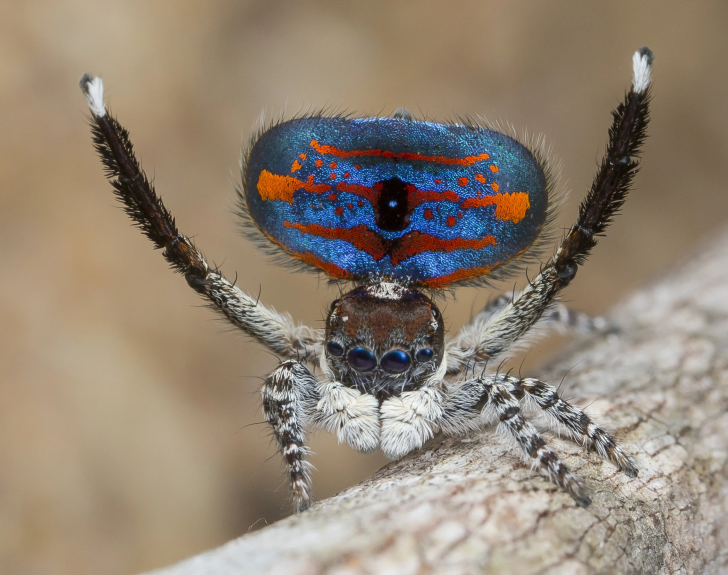
YouTube / If you have seen a male peacock spider dance, you will never forget it. He flashes his colorful abdomen, raises his legs like flags, and moves in a rhythm that looks choreographed.
Plus, he even drums his feet to create tiny songs that only female spiders can hear.
Each species of peacock spider has its own moves, colors, and sound patterns. This means evolution is working fast and hard behind the scenes. And it is doing it in very specific ways.
Dark DNA Might Be Pulling the Strings
Regular genes control basic traits like body size or eye color. However, dark DNA might control when and how those genes are switched on. Think of it like a backstage director in a play. The actors (genes) are on stage, but the director (dark DNA) calls the shots.
This could explain why some peacock spiders look wildly different from their cousins, even though they share most of the same genes. Their dark DNA may be fine-tuning everything from how they dance to how they glow.
An international team led by Jonah Walker and Dr. Joana Meier is mapping the entire genetic blueprint of every known peacock spider species. They have matched dances, songs, and body patterns with DNA data to spot links between behavior and genetics.
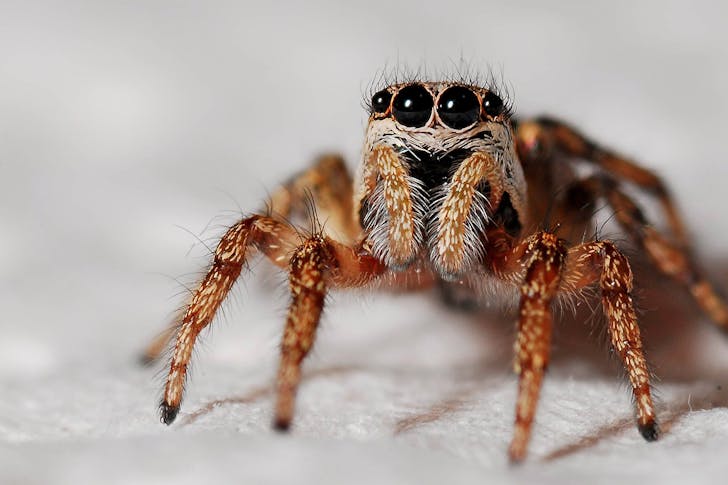
Pixabay / Pexels / Understanding dark DNA in peacock spiders might help scientists figure that out. It could also help explain how animals adapt quickly to environmental changes, something that is more important now than ever.
This work is part of the Earth BioGenome Project, which aims to sequence every known species on Earth, over 1.8 million. The spiders are providing an early clue about why some animals diversify wildly while others stay mostly the same.
Why Spiders Matter More Than You Think
You might think, “It is just spiders, who cares?” But this research helps answer some of biology’s biggest questions. Why do some creatures evolve into dozens of forms while others barely change? Why are butterflies and spiders so diverse, while alligators haven’t changed much in millions of years?
This study challenges what we thought we knew about evolution. We used to believe that genetic changes mostly happened in the protein-coding parts of DNA. But the peacock spiders are showing that big changes can come from the dark, silent parts too.
The fact that these spiders have such rich variation in how they look and act, without major changes in their core genes, shows just how powerful non-coding DNA can be.