Scientists Solve the Mystery of Sea Star Wasting Disease Epidemic
After more than a decade of searching, scientists have found the bacterial villain responsible for one of the worst marine die-offs in recorded history.
The disease first appeared along the Pacific Coast in 2013. Sea stars that once filled tidepools and coastal waters began rotting alive. Their limbs twisted, lesions appeared, and within days they turned to mush. It was fast and brutal. Over 5 billion sea stars died from Mexico to Alaska.
More than 20 species vanished from large parts of their native range. But the biggest shock? Nobody knew what caused it.
A Bacterial Killer Hiding in Plain Sight
For years, the search for what caused sea star wasting disease went nowhere. The first major guess was a virus, but that turned out to be wrong. Scientists found the virus in both healthy and sick sea stars, which ruled it out as the main threat.
Once researchers started testing this fluid in live, infected sea stars, they noticed something strange. One type of bacteria kept showing up, and it wasn’t showing up in healthy stars. That tipped them off that something big was hiding there.
The breakthrough came from a powerhouse team of researchers from Canada and the U.S., including the Hakai Institute and the University of British Columbia. They combined brainpower from different fields, like ecology, microbiology, genetics, and marine biology. Together, they ran more than 20 experiments between 2021 and 2024.
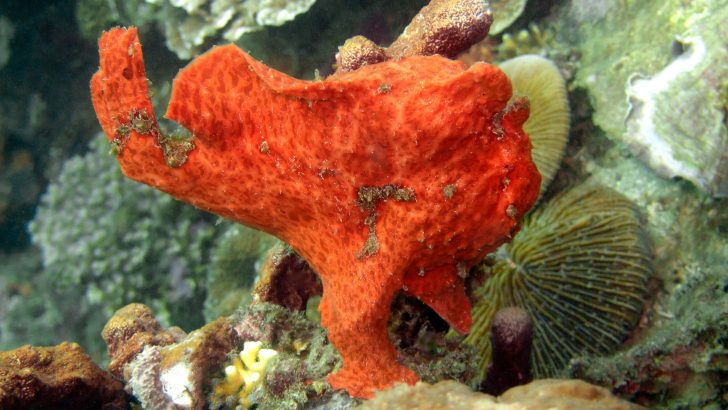
Bruce / Unsplash / When the researchers examined the coelomic fluid from wasting sea stars, they found huge amounts of Vibrio pectenicida. In contrast, healthy sea stars had almost none.
To be sure, the team followed strict scientific rules known as Koch’s postulates. First, they isolated the bacteria from sick sea stars. Then, they grew it in a lab. Next, they injected healthy sea stars with it.
The result was devastating. Nineteen out of twenty sea stars developed the disease and died. Only one survived, and that one got the smallest dose. Case closed. They had found the cause of sea star wasting disease.
Why This Took So Long?
One reason this bacterium stayed hidden for so long is that it is sneaky. It doesn’t show up on normal microscope slides. It doesn’t look like a typical bacterial infection. It slips past immune defenses and doesn’t leave many signs until it is too late.
Plus, the bacteria can be killed with heat and filtration, which also helped confirm it wasn’t a virus. Once filtered or heated, the disease agent vanished. That gave scientists another big clue that they were dealing with a bacterium, not a virus.
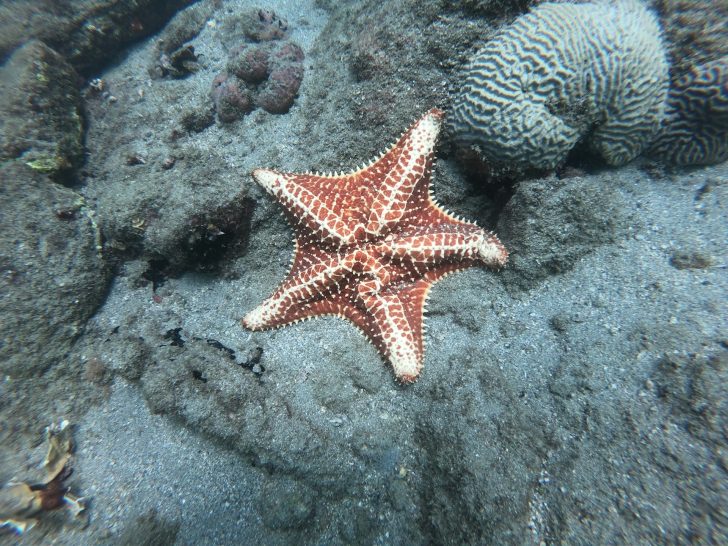
Dan / Unsplash / The collapse of sea star populations didn’t just remove some spiny creatures from the shore. It threw entire ocean ecosystems out of balance.
Sunflower sea stars are predators. They keep sea urchins in check.
With no sea stars to eat them, urchin populations exploded. That led to the destruction of kelp forests up and down the coast. Kelp forests are underwater powerhouses. They support fish, absorb carbon, and even protect the shore from erosion.
Now, in places like Northern California, 95% of kelp forests are gone. What is left are “urchin barrens,” bare seafloors packed with spiny grazers and little else.
Finding Vibrio pectenicida solves the mystery, but it doesn’t end the threat. These bacteria thrive in warmer water. That means as the ocean heats up, conditions get better for them. Warmer summers have already been linked to the worst outbreaks of sea star wasting disease.
In colder regions like British Columbia’s fjords, some sea star populations have survived. That is likely because cooler water slows bacterial growth. But in warmer areas, outbreaks are more intense and more frequent.