This 2,500-Year-Old Theory Still Shapes How We See Personality
Long before personality quizzes and psychology textbooks, ancient doctors had a system. It wasn’t based on brain chemistry or childhood trauma, but on fluids. Yep, actual body fluids. They believed your mood, health, and even personality were ruled by four liquids: blood, yellow bile, black bile, and phlegm.
This idea sounds wild now, but for centuries, it was the best theory around. And what’s more surprising? Even though we have tossed the fluids, the core idea still echoes in how we understand personality today.
The Humours
Let’s go back to where it all began. In ancient Greece, a guy named Empedocles laid the foundation. He claimed the world was made of four elements: earth, water, air, and fire. Then Hippocrates, the famous doctor, took it a step further. He said these elements lived in our bodies as fluids or “humours,” and they controlled everything from mood to health.
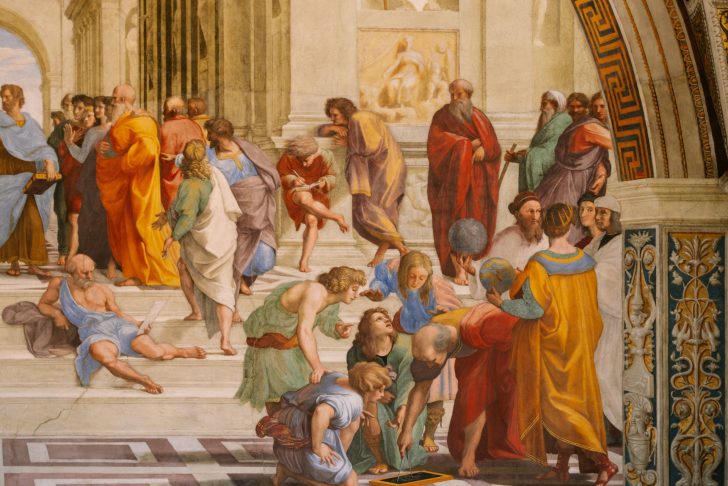
Josh / Unsplash / A Roman doctor named Galen matched each humour with a temperament and even described how a person’s vibe could shift depending on the balance of these fluids.
Hot and dry? You might be bold and fiery. Cold and wet? Calm and collected. His writings became the gold standard in medicine for over 1,000 years.
Doctors used this theory to treat everything from headaches to heartbreak. They believed illness came from an imbalance. So, if someone was too “hot,” they’d be cooled down with cold foods or even bloodletting. It sounds harsh, but at the time, it was seen as cutting-edge medicine.
Same Patterns, New Language
Fast forward to the 20th century, and you will find echoes of this ancient system in modern psychology. In the 1950s, psychologist Hans Eysenck studied how people reacted to stress and stimulation. He noticed that people’s traits seemed to fall into four major types, just like the old humour theory.
For example, people who scored high on extroversion and low on stress were cheerful and social, kind of like the old “sanguine” type. Those who were intense and quick to anger? Very “choleric.” Calm and steady? That’s your phlegmatic personality. Deep thinkers who tend to over-analyse and feel sad? Melancholic, through and through.
Even today’s top personality model, the Big Five, has strange connections to this ancient idea. Psychologists found that when you combine certain traits, like openness and extroversion, or stability and discipline, you land back at the same four personality styles.
Why the Humours Won’t Die?
So, why does this old idea still hang around? Probably because it taps into something real. People do have different “vibes,” and those vibes tend to cluster into a few types. The four temperaments give us an easy way to describe those patterns. Are you fiery, chill, moody, or fun-loving? Most of us can pick one that feels close.
Lee / Unsplash / Of course, we know now that body fluids don’t control your emotions. But the way those ancient thinkers tried to make sense of human behaviour wasn’t all that different from what scientists do today.
They looked at patterns and asked big questions. They wanted to understand why people act the way they do.
And despite all the advances in neuroscience and genetics, personality remains mysterious. We still look for ways to sort people into groups, to find patterns, to explain what makes us who we are. That is why the four humours, for all their weirdness, still speak to us.